
Sensory

Children’s behaviour may vary depending on the environment they are in. For autistic children, differences in sensory input, expectations, routines, and levels of support can significantly impact regulation. When dysregulated behaviours are observed, it is important to consider why these behaviours are presenting and what unmet needs they may be communicating. Environmental adaptations should be made where possible to reduce barriers, support regulation, and enable the child to engage more successfully.


Emotional/Self-Regulation

Emotional/self-regulation are activities or behaviours children may display to help them feel calm. 

Your child may self-regulate in many different ways including:

  • Big physical movements/activities
  • Deep pressure

The self-regulation activities children may display might not always be the most appropriate. As self-regulation is essential for most children with autism this may be replaced by an alternative that gives the same or better sensory feedback. 


Big physical movement

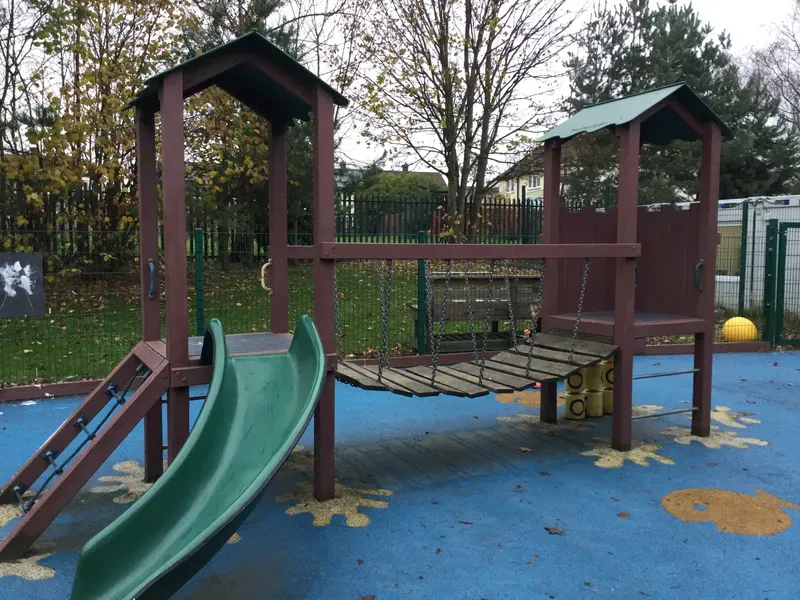
These activities are usually an attempt to stimulate the vestibular (balance) system. Please see the downloadable document below for activities and equipment that may be used to support big physical movements.

of
Zoom:

Deep Pressure

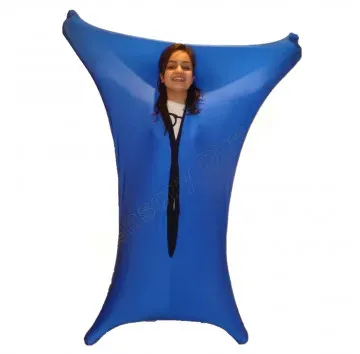
Deep pressure can help to relieve anxiety by regulating the sensory system. This can be misunderstood and appear as challenging behaviour e.g. pushing others

You can experience deep pressure all over your body however the shoulders and hips may be more effective.


All touch‑based sensory activities require consent. Children’s boundaries are respected at all times, and consent can be withdrawn at any point.


Deep pressure displayed

Activities/equipment to support deep pressure some of which would be appropriate within a sensory break

Pushing/hitting (shoulders)

·         Push ups off the wall

·         Body board to lie on and pull self along the floor

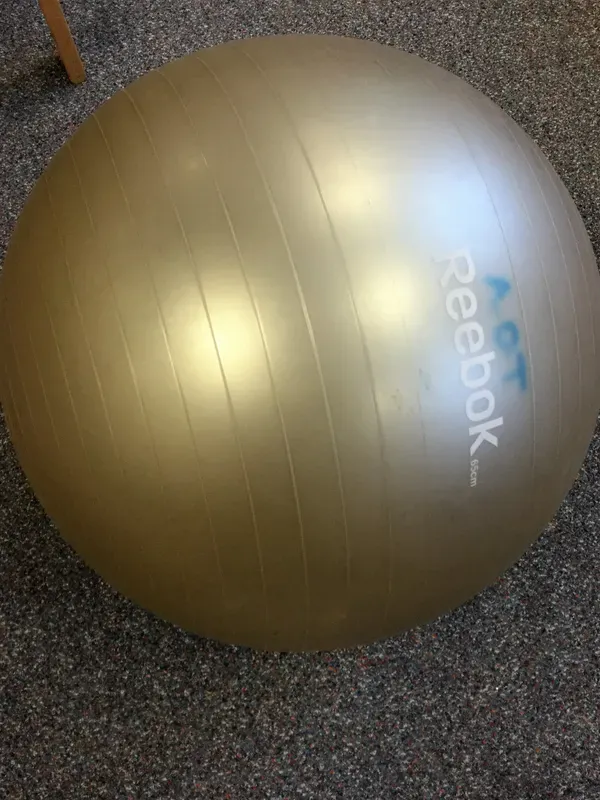
·         Rolling on top of an exercise ball and pushing forwards and backwards with hands on the floor

·         Row row the boat

·         Pushing wheel barrows/ push chairs with weight in

·         Pushing hands against another’s hands

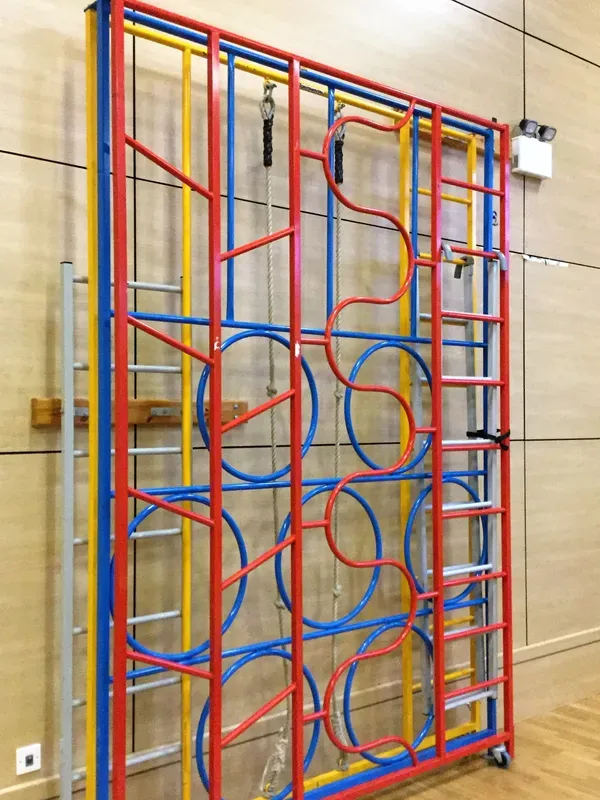
·         Climbing equipment

·         Wheelbarrow races (walking on hands)

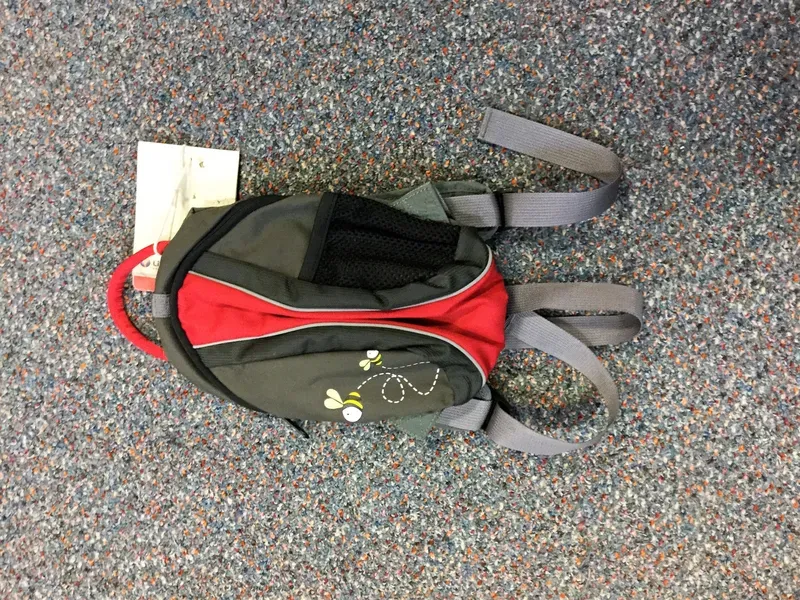
·         Back pack with weight/weighted items to hang over shoulders

Climbing on furniture


·         Push and pulling objects

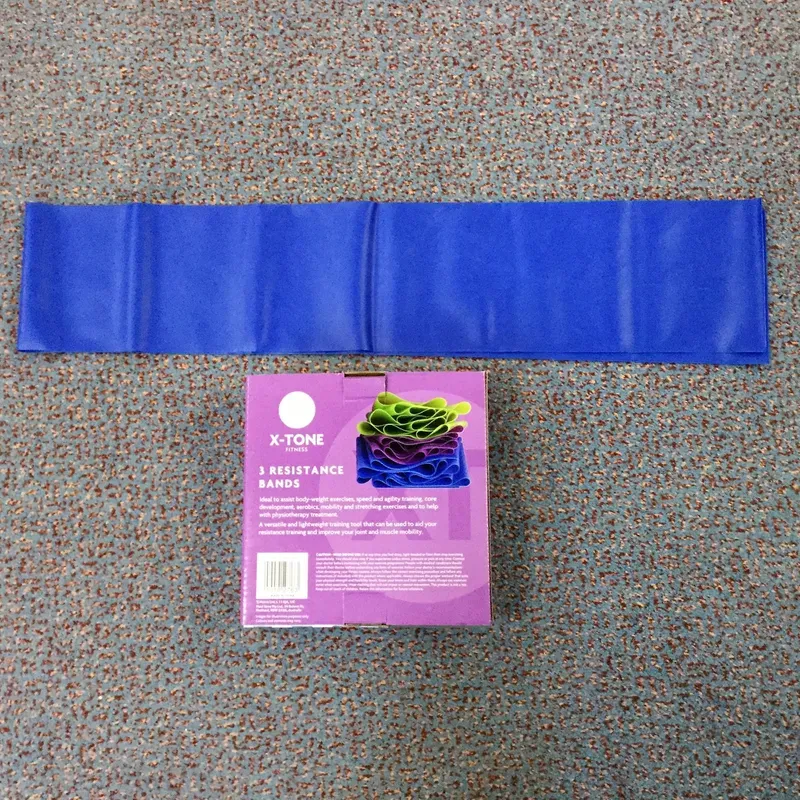
·         Resistance bands to pull

Throwing (shoulders)

·         Throwing bean bags, balls etc

·         Back pack with weight/ weighted items to hang over shoulders

Pulling hair (shoulders)

·         Stretchy fiddle toy that can be pulled and gives resistance

·         Back pack with weight/ weighted items to hang over shoulders

Nipping/ Scratching (shoulders)

·         Soft sensory ball that can be pulled between thumb and forefinger

·         Material to scratch

·         Back pack with weight/weighted items to hang over shoulders

Kicking/stamping/bouncing (hips)

·         Kicking footballs

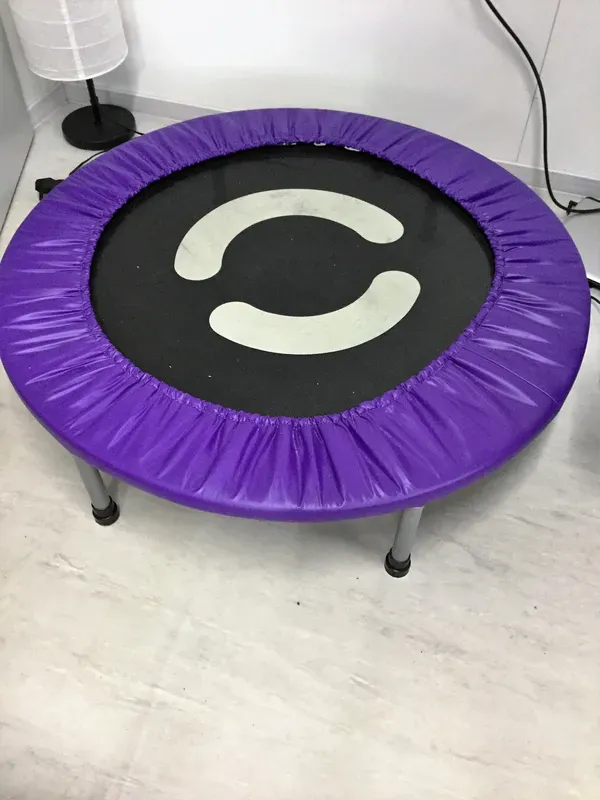
·         Trampoline/trampette

·         Bouncing on an exercise ball

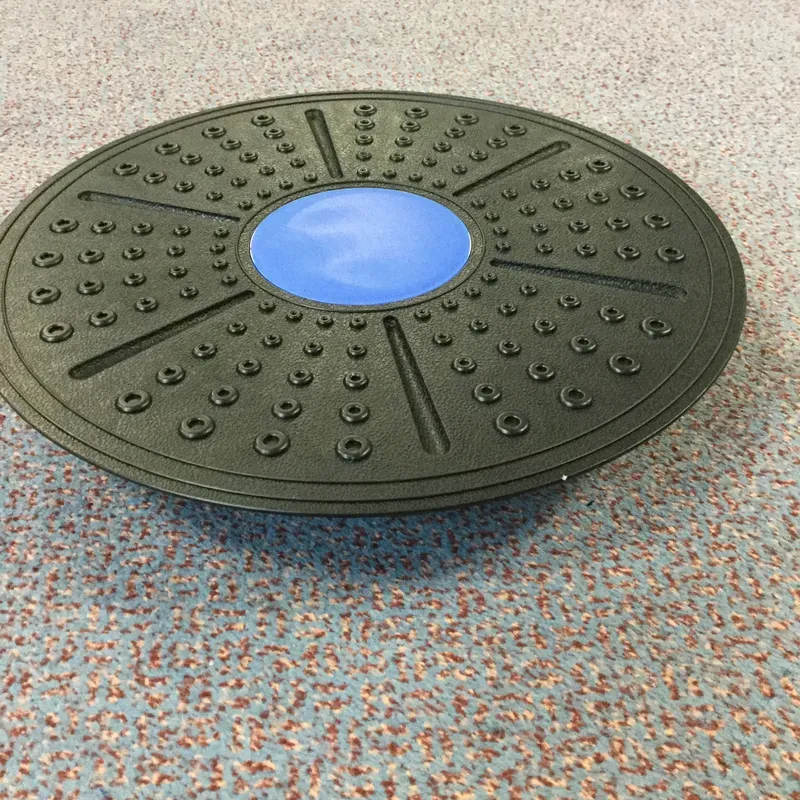
·         Balance boards

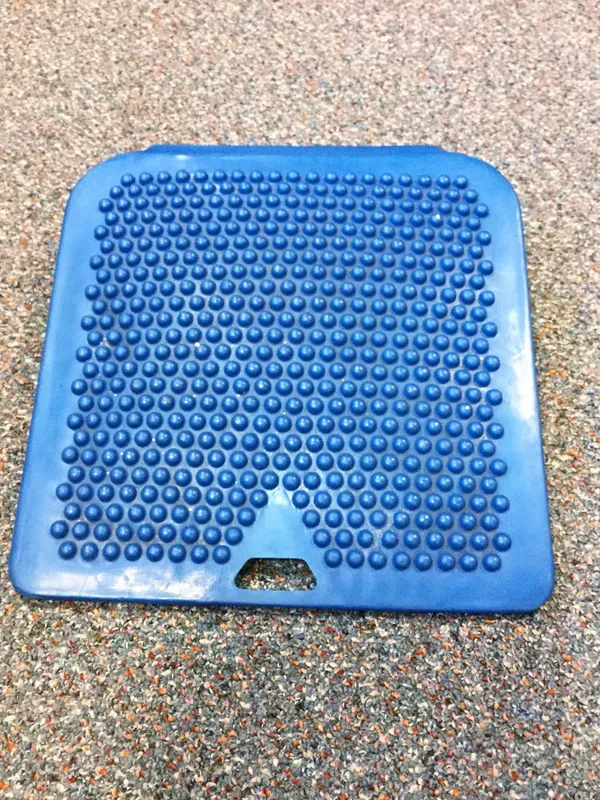
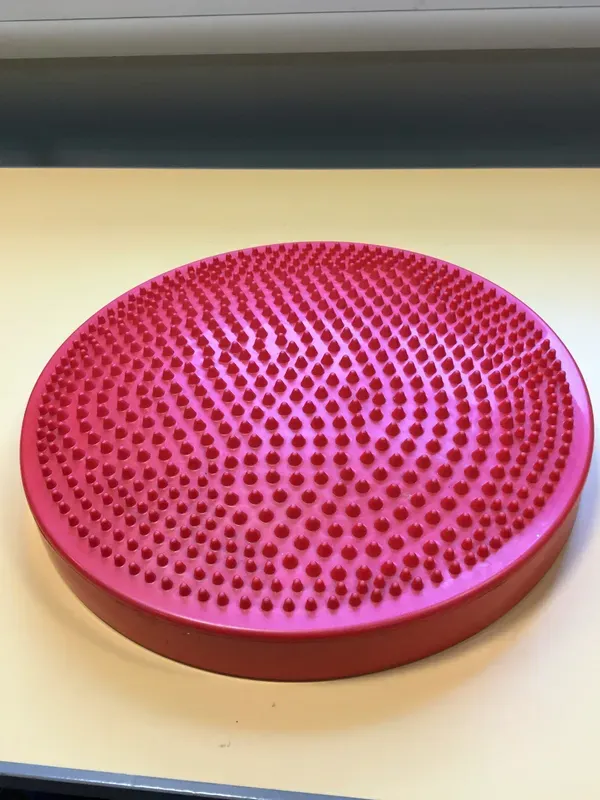
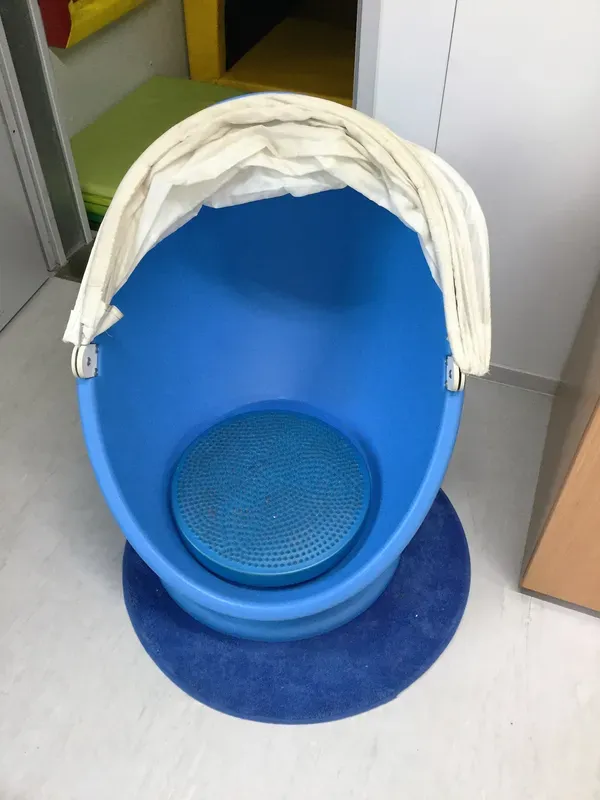
·         Wobble cushion

·         Kick bands round chair legs

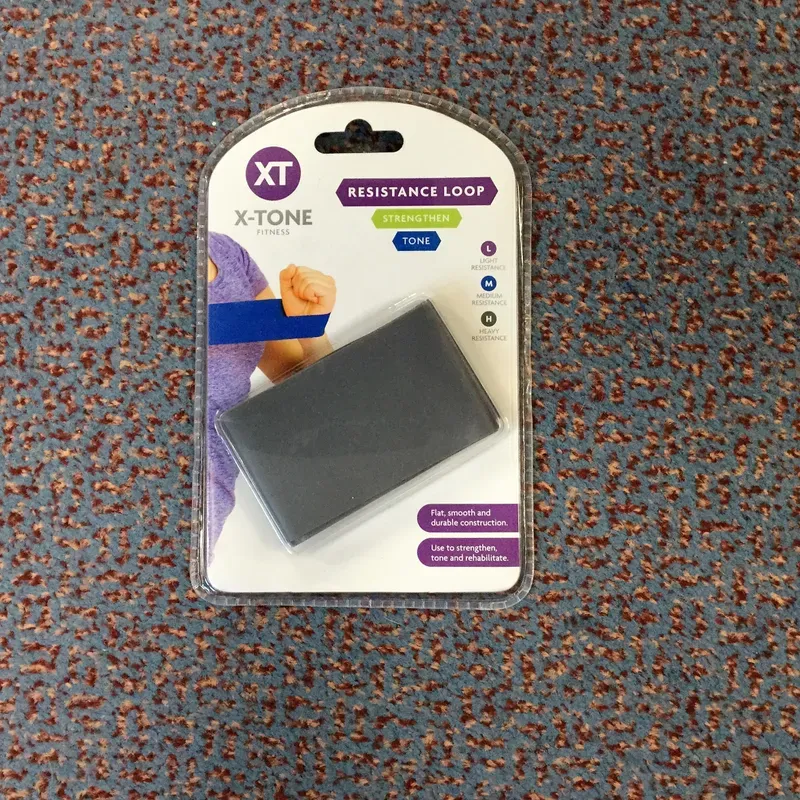
·         Resistance bands

Seeking out tight hugs/

Squeezing into small spaces/lying across desks

·         Rolling exercise ball over the child whilst they are lying on the floor

·         Massage rollers

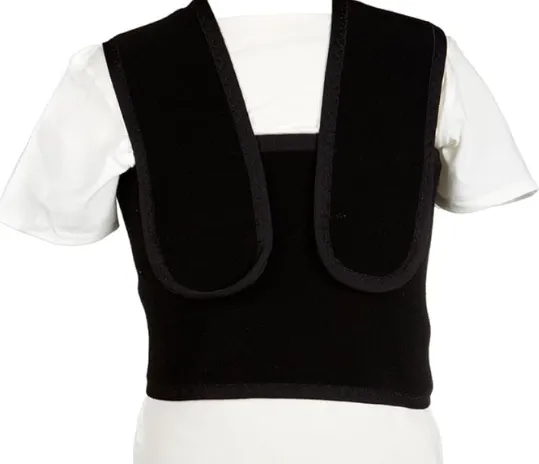
·         Lycra to wrap round and hug self

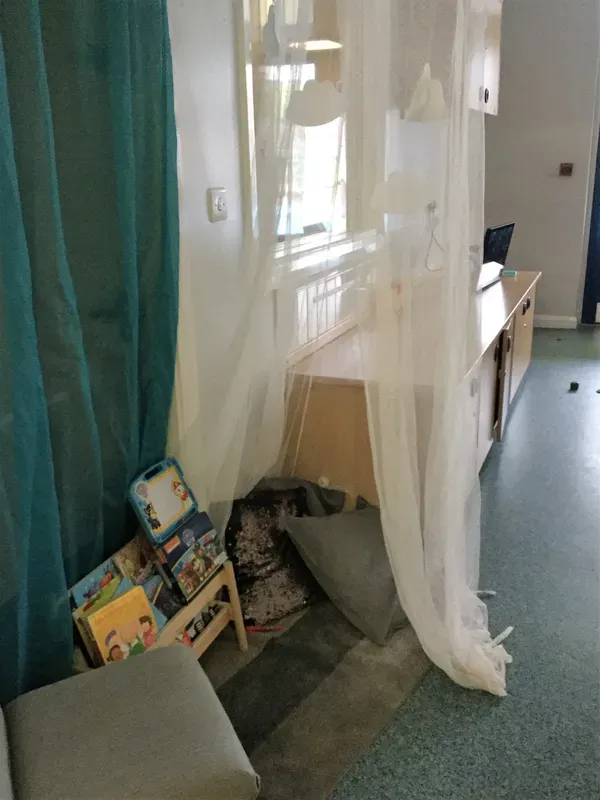
·         Lying underneath blankets

·         Weighted items to lie across knees/shoulders when sitting

Head banging on objects, hitting themselves in the head, pressing head into others

·         Head massage

·         Head massages (metal with beads)

·         Caps and hats

·         Alice bands

·         Ear defenders

·         Sweat bands

Biting/chewing/grinding teeth

·         Chewy tubes may need to try different textures and density

·         Crunchy food (apples, carrots)

·         Vibrating toothbrush/vibrating toys held against jaw

·         Material (if chewing clothes need something similar such as old cuff/collar from jumper/polo shirt that is too small)

Spitting

·         Blowing bubbles

·         Milkshake breathing


Points to remember

  • All self-regulation activities should be monitored and supervised at all times by an adult.
  • Sensory breaks should be timetabled and directed by the adult to get the most from the sessions. A visual task strip would be helpful to show what the child needs to do within the session.
  • The AOT are not trained Occupational Therapists and all information is given as a basic introduction.
  • More information can be found through the NAS website.


For support with sensory reguation in both primary and secondary schools, please see below our downloadable sensory regulation handouts:

Sensory Regulation in Primary School

of
Zoom:

Sensory Regulation in Secondary School

of
Zoom:

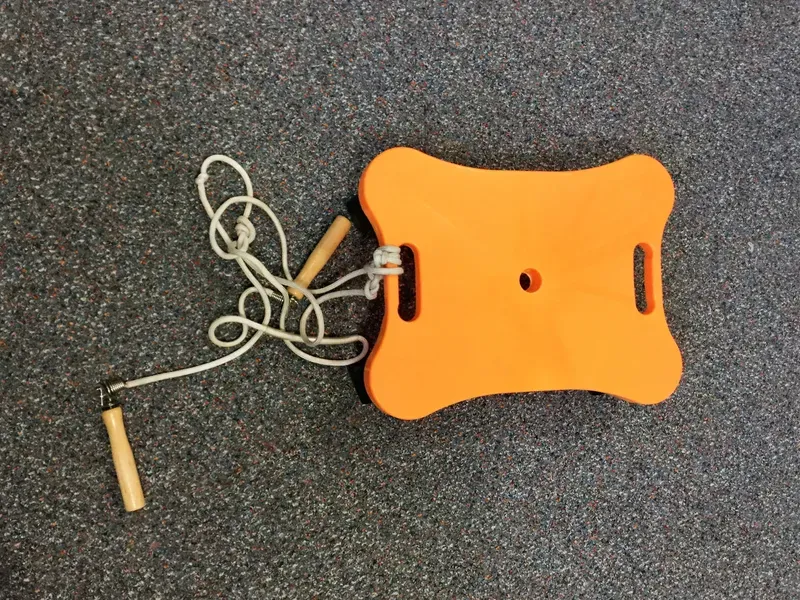
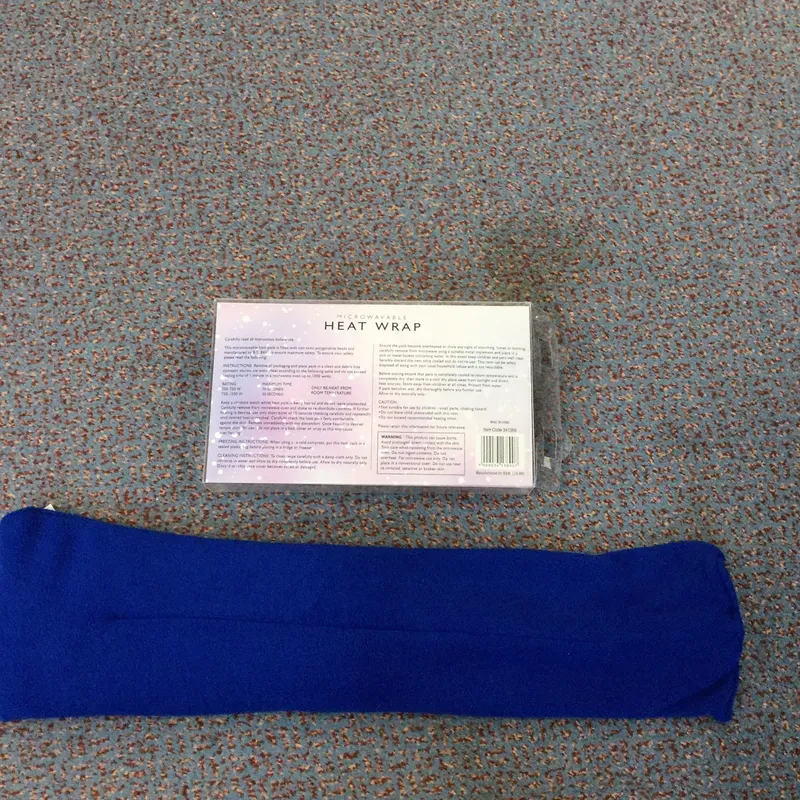
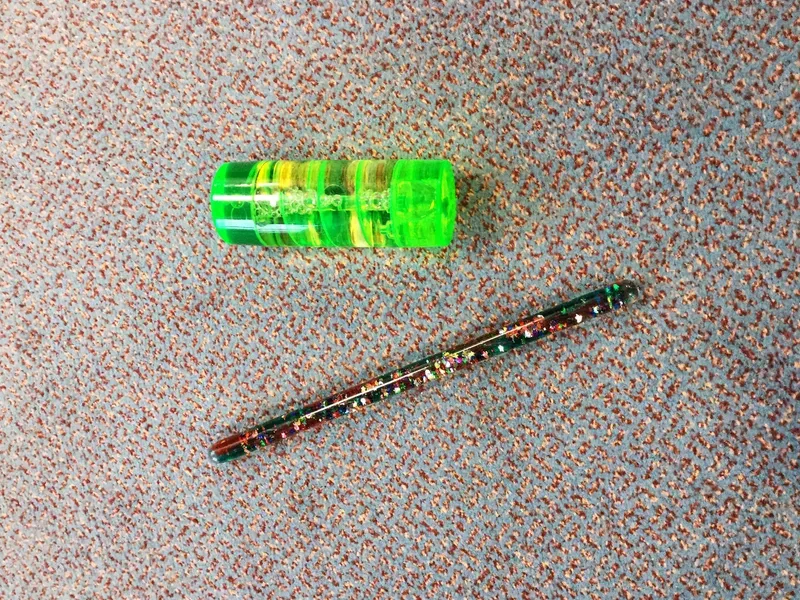
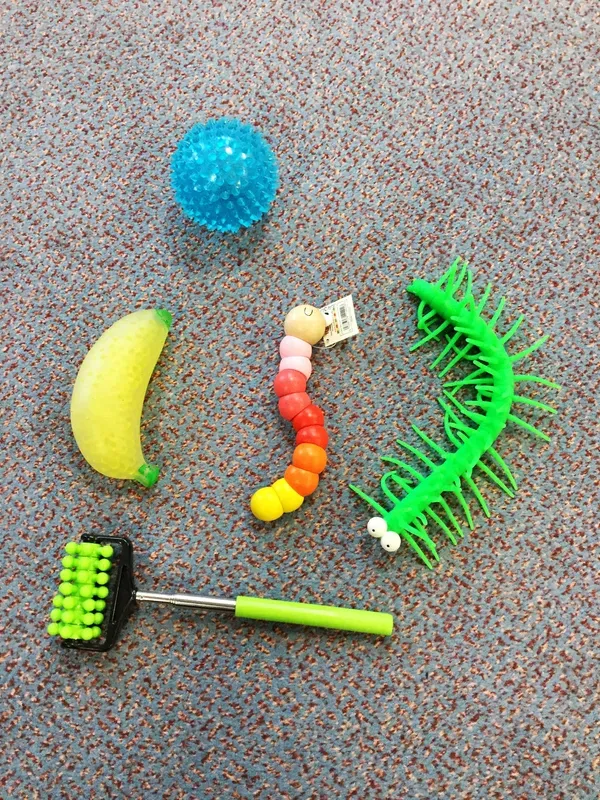
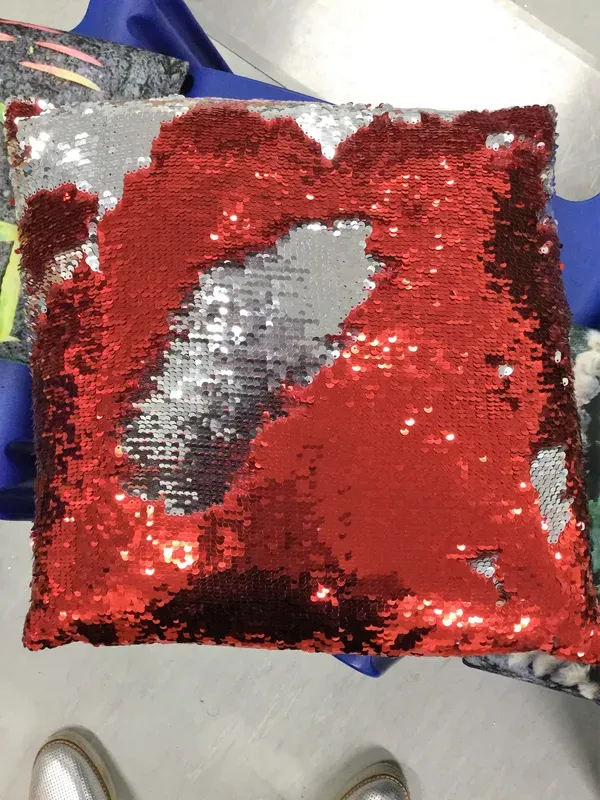
Examples of equipment 
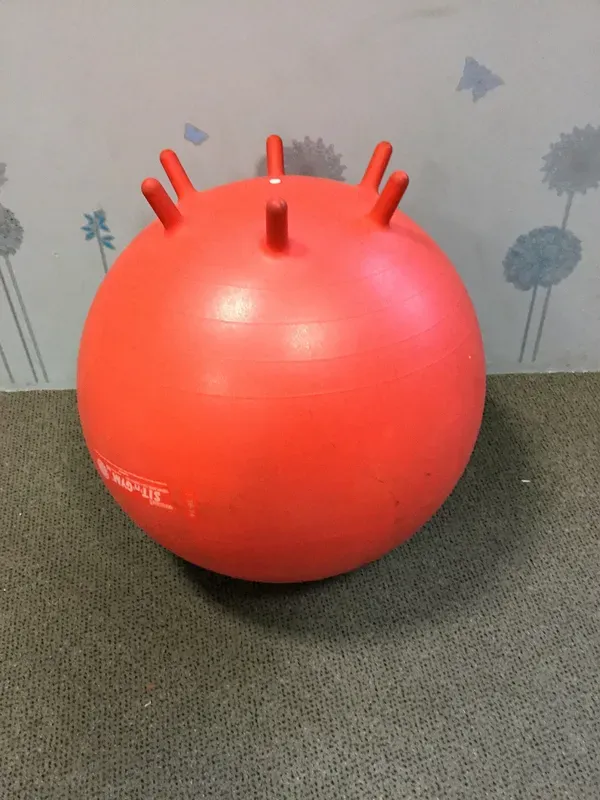
Gallery - created at 2019-12-02 12:50:56 - image 1
Gallery - created at 2019-12-02 12:50:56 - image 2
Gallery - created at 2019-12-02 12:50:56 - image 3
Gallery - created at 2019-12-02 12:50:56 - image 4
Gallery - created at 2019-12-02 12:50:56 - image 5
Gallery - created at 2019-12-02 12:50:56 - image 6
Gallery - created at 2019-12-02 12:50:56 - image 7
Gallery - created at 2019-12-02 12:50:56 - image 8
Gallery - created at 2019-12-02 12:50:56 - image 9
Gallery - created at 2019-12-02 12:50:56 - image 10
Gallery - created at 2019-12-02 12:50:56 - image 11
Gallery - created at 2019-12-02 12:50:56 - image 12
Gallery - created at 2019-12-02 12:50:56 - image 13
Gallery - created at 2019-12-02 12:50:56 - image 14
Gallery - created at 2019-12-02 12:50:56 - image 15
Gallery - created at 2019-12-02 12:50:56 - image 16
Gallery - created at 2019-12-02 12:50:56 - image 17
Gallery - created at 2019-12-02 12:50:56 - image 18
Gallery - created at 2019-12-02 12:50:56 - image 19
Gallery - created at 2019-12-02 12:50:56 - image 20