
Sensory Play
Engaging children with autism in sensory activities is beneficial in several ways, as it can help with:
- Stimulating the brain, creating neutral pathways and improving sensory processing systems
- Developing social skills such as communication and co-operation
- Supporting co-ordination, as well as fine/gross motor skills
- Calming when dysregulated
Try a range of activities to stimulate all of the five senses – touch, smell, taste, sight and hearing. Try small activities and evaluate what works well, and what should be avoided based on the individual child. Remember, sensory activities will be beneficial for all of the children in your care, not just those diagnosed with autism.
Children will often seek out sensory activities if none are provided and you may find them in the sink/toilet playing with the water, squeezing and smearing paint, banging toys, shredding paper, card etc.
Having accessible activities to fulfill these sensory needs may support a child's regulation.
Examples of appropriate and directed sensory activities can include:
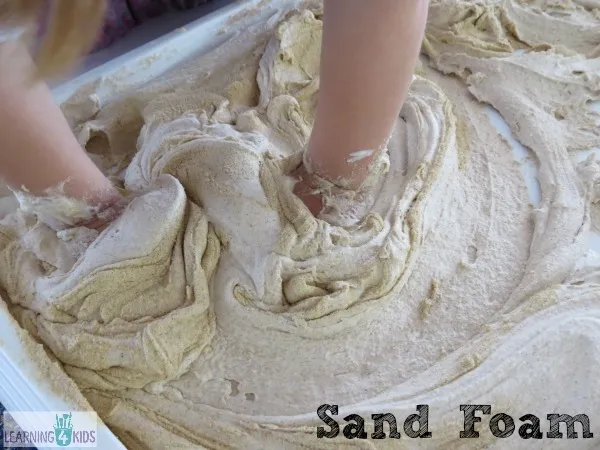
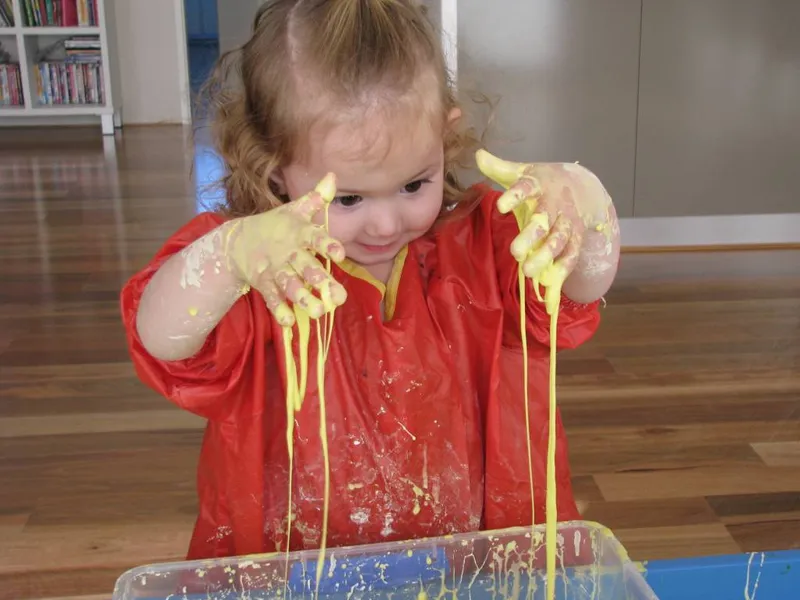
- Gloopy play for smearing
- Water play
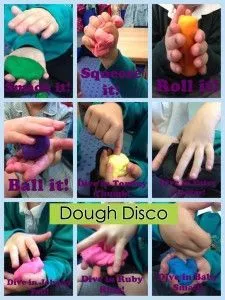
- Playdough
- Wet and dry sand
- Tough spot with paper to shred
- Leaves, pasta or similar for children to pick up and drop (visual stimulation)
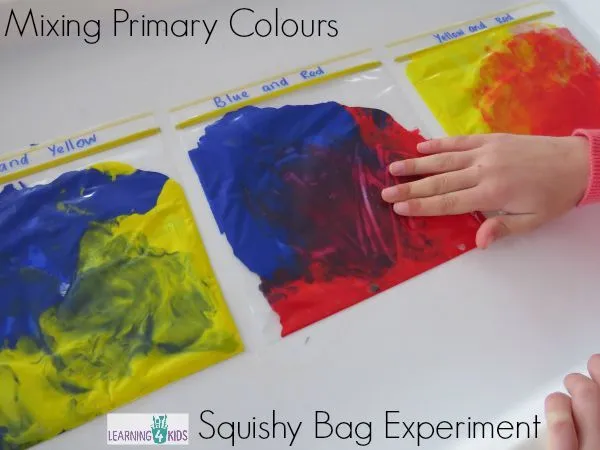
- Mixing paint and mark making
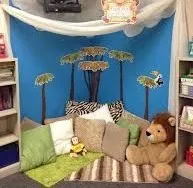
- Safe space (tented area with cushions) to include sound and light cause and effect toys and books
- Sensory stories
- Sensology
These activities should be incorporated into their daily learning.
Some examples of activities are: